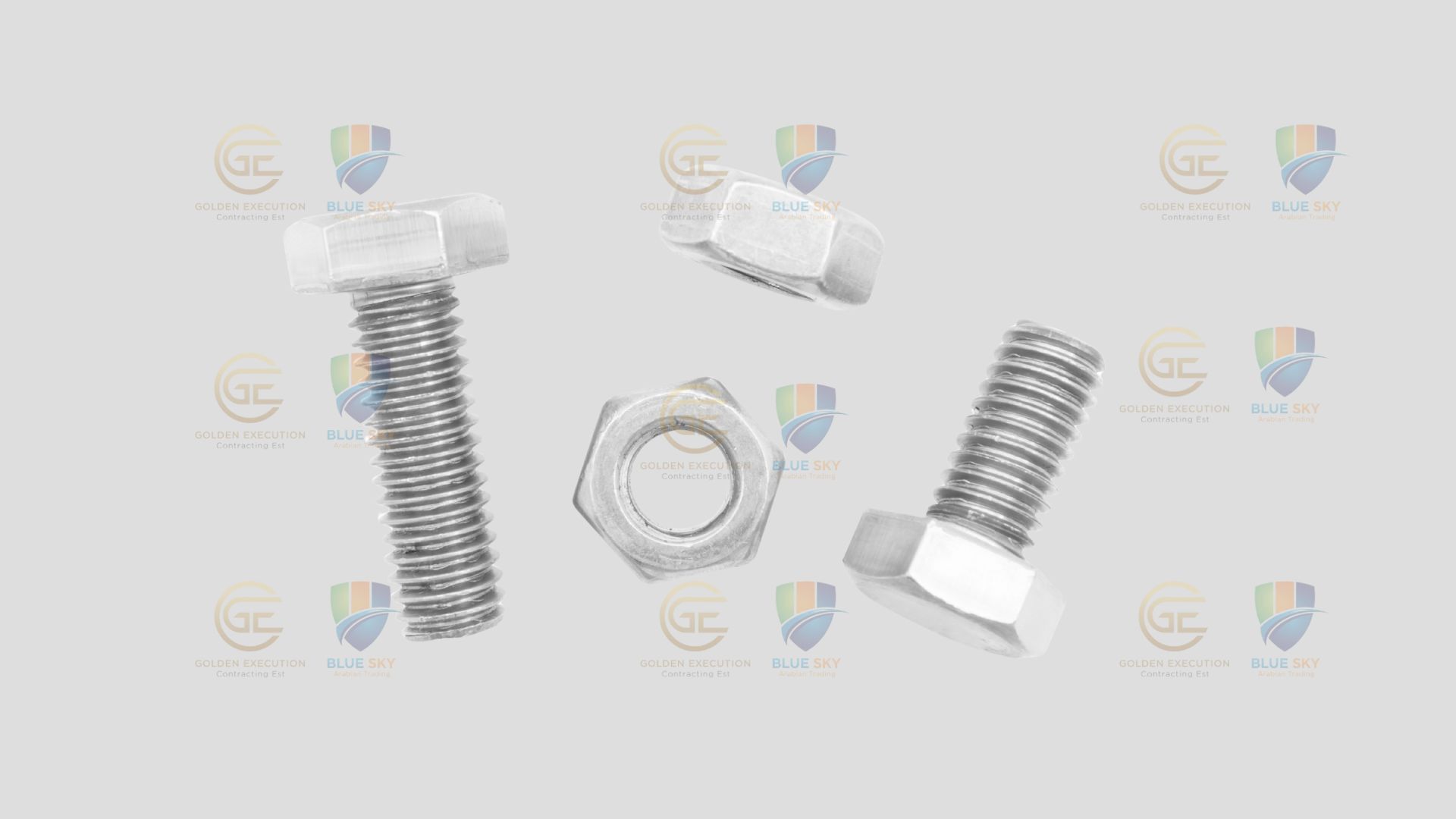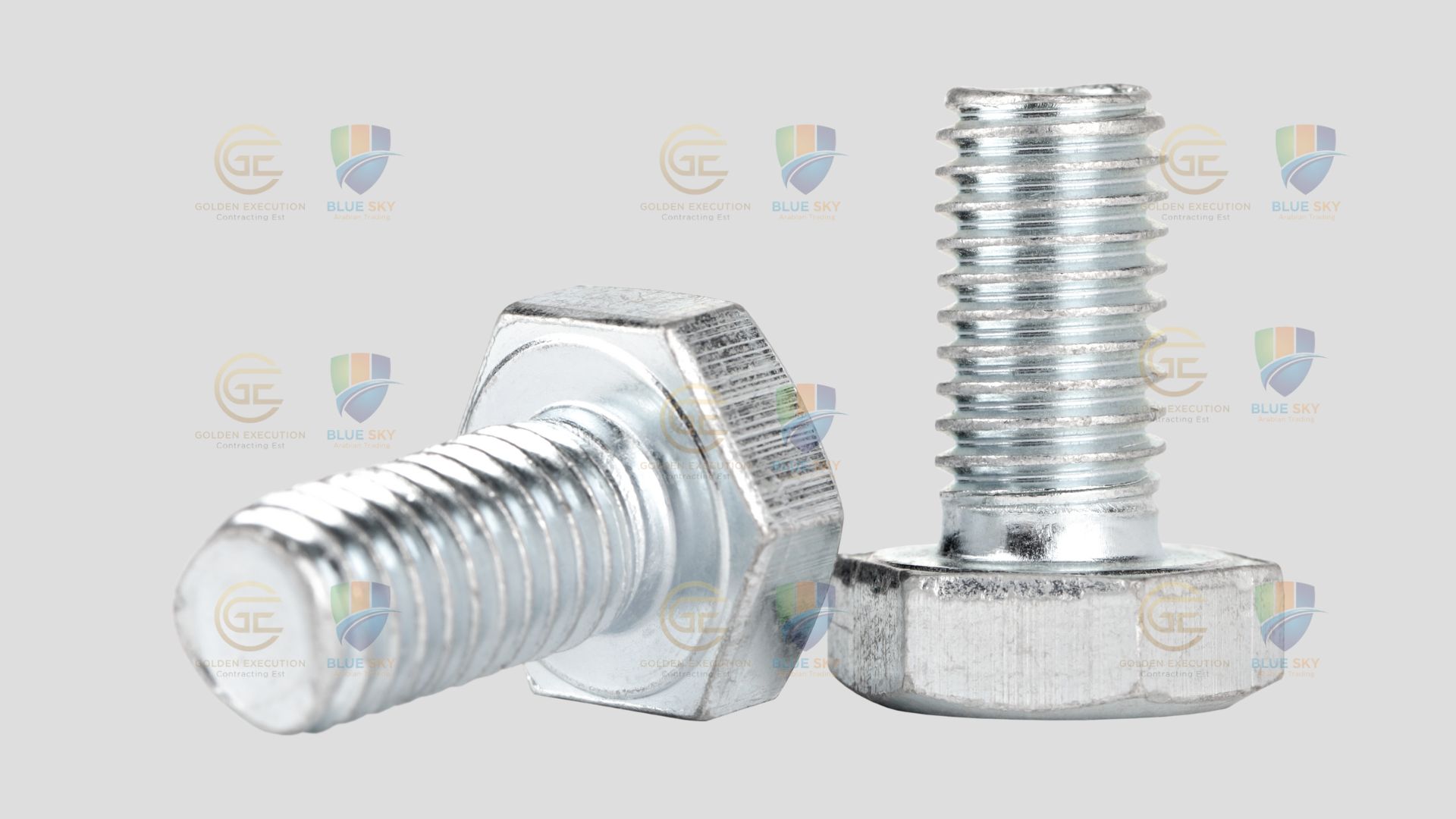
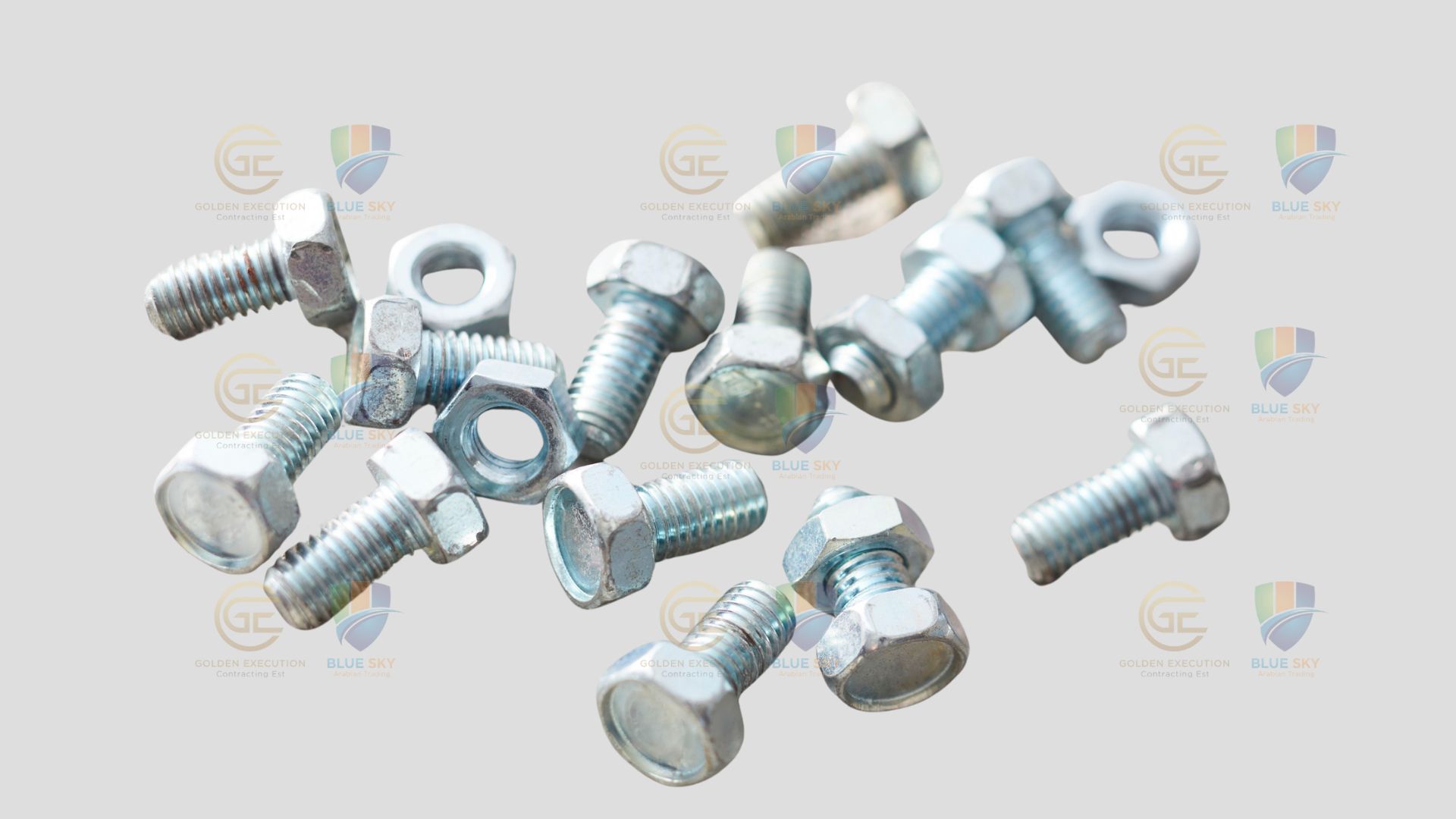
Steel vs Stainless Steel Fasteners: Which One Is Better?
Steel vs Stainless Steel Fasteners: Which One Is Better?
Choosing the right fastener is crucial in construction, industrial, and oil & gas projects. A common question many engineers, procurement managers, and EPC contractors face is: Steel vs Stainless Steel Fasteners: Which One Is Better?
BlueSky Arabian Steel provides a comprehensive range of premium fasteners, including both steel and stainless steel options, suitable for Saudi Arabia’s demanding industrial, petrochemical, and construction sectors. This guide explains the key differences, advantages, and applications of steel and stainless steel fasteners to help you make the best decision for your project.
What Are Steel Fasteners?
Steel fasteners are made from carbon steel or alloy steel, offering high strength and durability at a cost-effective price. They are often coated or galvanized to improve corrosion resistance.
Key Features of Steel Fasteners:
- High tensile strength
- Cost-effective
- Suitable for most general-purpose applications
- Can be coated for enhanced corrosion resistance
Common Uses:
- Structural steel assemblies
- Machinery and equipment
- Industrial piping and frameworks
What Are Stainless Steel Fasteners?
Stainless steel fasteners are made from chromium-enriched steel alloys. They are highly resistant to corrosion, oxidation, and chemical exposure, making them ideal for harsh or high-moisture environments.
Key Features of Stainless Steel Fasteners:
- Exceptional corrosion resistance
- Long-lasting in harsh environments
- Aesthetic appeal for visible fixtures
- Suitable for high-temperature applications
Common Uses:
- Marine and offshore applications
- Food and beverage processing equipment
- Petrochemical plants
- Outdoor structures exposed to moisture
Steel vs Stainless Steel: Key Differences
Understanding the differences between steel and stainless steel fasteners is essential for selecting the right option.
1. Corrosion Resistance
- Steel Fasteners: Require coating or galvanization to resist rust. Not ideal for moist or chemical-heavy environments.
- Stainless Steel Fasteners: Naturally corrosion-resistant due to chromium content. Perfect for marine, chemical, and outdoor applications.
2. Strength & Durability
- Steel Fasteners: High tensile strength, suitable for heavy loads. Ideal for structural and industrial applications.
- Stainless Steel Fasteners: Slightly lower tensile strength compared to alloy steel but still durable. Best for applications where corrosion is a bigger concern than maximum load.
3. Cost
- Steel Fasteners: More economical upfront.
- Stainless Steel Fasteners: Higher initial cost but can save money in long-term maintenance and replacement.
4. Temperature Resistance
- Steel Fasteners: Can withstand high mechanical loads, but corrosion may accelerate at high temperatures.
- Stainless Steel Fasteners: Performs well in high-temperature environments without rusting or degrading.
5. Applications
- Steel Fasteners: Industrial machinery, structural steel frameworks, pipelines in dry conditions.
- Stainless Steel Fasteners: Offshore platforms, petrochemical plants, food processing, and environments with high moisture or chemical exposure.
Choosing the Right Fastener: Steel or Stainless Steel?
To determine which fastener is better, consider:
- Environment – Stainless steel is ideal for moisture, chemicals, and outdoor conditions; steel is sufficient for dry or controlled environments.
- Load Requirements – For extreme mechanical stress, steel or alloy steel may be preferred.
- Budget – Steel is cost-effective upfront; stainless steel reduces long-term maintenance costs.
- Longevity – Stainless steel fasteners last longer in corrosive environments, reducing replacement frequency.
- Project Standards – Compliance with EPC, API, ASTM, or ISO standards may dictate the fastener choice.
Advantages of Choosing BlueSky Arabian Steel
At BlueSky Arabian Steel, we provide both steel and stainless steel fasteners tailored for Saudi Arabia’s industrial and construction projects. Our fasteners are:
- Certified and tested for quality
- Compliant with international standards (API, ASTM, ISO)
- Available in bulk for EPC and industrial projects
- Backed by technical support to select the best solution
By partnering with us, engineers and procurement teams ensure project safety, reliability, and efficiency.
Conclusion
So, Steel vs Stainless Steel Fasteners: Which One Is Better? The answer depends on your project needs:
- Steel Fasteners: Best for high-load, cost-sensitive applications in dry environments.
- Stainless Steel Fasteners: Ideal for harsh, corrosive, or outdoor environments where longevity is critical.
BlueSky Arabian Steel offers both options, providing expert guidance, certified products, and reliable supply to meet the demands of Saudi Arabia’s industrial and construction sectors.
Choose the right material. Build with confidence. Choose BlueSky Arabian Steel.