Key Differences Between ASTM A193 B7 and B16 Bolting Materials
Powerful Key Differences Between ASTM A193 B7 and B16 Bolting
In the oil and gas, petrochemical, and heavy engineering industries, selecting the correct bolting material is essential for ensuring equipment safety and long-term operational reliability. Industrial systems such as pipelines, pressure vessels, refineries, and offshore drilling platforms operate under extreme pressure and temperature conditions. Because of this, engineers must carefully choose fasteners that meet strict international standards.
Understanding the Key Differences Between ASTM A193 B7 and B16 Bolting Materials helps engineers, procurement specialists, and contractors select the right fastening solution for demanding industrial applications. These two bolting grades are widely used in high-pressure and high-temperature systems, but they have distinct properties that make them suitable for different environments.
At BlueSky Arabian Steel, we provide high-quality industrial fasteners manufactured according to international standards. Our products are designed to deliver reliable performance in critical applications across the oil and gas sector.
Overview of ASTM A193 Bolting Materials
The ASTM A193 specification covers alloy steel and stainless steel bolting materials used in pressure vessels, valves, flanges, and fittings for high-temperature or high-pressure service.
Within this specification, several grades exist, including B7 and B16, which are commonly used in energy and petrochemical industries. These grades differ in material composition, strength, temperature resistance, and applications.
Understanding their characteristics allows engineers to choose the most suitable fasteners for their projects.
What Is ASTM A193 B7 Bolting Material?
ASTM A193 B7 is one of the most commonly used bolting grades for industrial applications. It is manufactured from chromium-molybdenum alloy steel and undergoes heat treatment processes such as quenching and tempering to achieve high strength and durability.
Key Features of ASTM A193 B7
- High tensile strength suitable for heavy-duty applications
- Excellent durability in high-pressure environments
- Widely used in oil and gas pipelines and refinery equipment
- Good resistance to moderate temperatures
Because of its strong mechanical properties and cost-effectiveness, B7 bolting is widely used in flange connections, pressure vessels, and structural assemblies.
What Is ASTM A193 B16 Bolting Material?
ASTM A193 B16 is another alloy steel bolting grade designed specifically for high-temperature applications. It is manufactured from chromium-molybdenum-vanadium alloy steel and undergoes advanced heat treatment processes.
Key Features of ASTM A193 B16
- Superior strength at elevated temperatures
- Excellent resistance to heat-induced deformation
- High creep resistance in extreme environments
- Ideal for high-temperature pressure systems
Because of these properties, B16 bolts are often used in critical equipment where temperatures exceed the limits of standard bolting materials.
Key Differences Between ASTM A193 B7 and B16 Bolting Materials
Although both grades fall under the ASTM A193 specification, several important differences distinguish them.
1. Material Composition
The primary difference between these two bolting grades lies in their chemical composition.
ASTM A193 B7 bolts are made from chromium-molybdenum alloy steel, which provides strong mechanical properties and durability.
ASTM A193 B16 bolts contain additional alloying elements such as vanadium, which enhances high-temperature strength and creep resistance.
2. Temperature Performance
Temperature resistance is one of the most important differences between B7 and B16 bolting materials.
B7 bolts perform well in moderate high-temperature environments but may lose strength at extremely high temperatures.
B16 bolts are specifically designed for high-temperature applications and maintain their strength even in extreme heat conditions commonly found in power plants and petrochemical processing units.
3. Mechanical Strength
Both B7 and B16 bolts provide excellent mechanical strength, but B16 generally offers better performance at elevated temperatures.
B7 bolts provide strong tensile strength for standard high-pressure systems, while B16 bolts maintain superior strength when exposed to continuous heat and stress.
4. Typical Industrial Applications
ASTM A193 B7 bolts are widely used in:
- Oil and gas pipeline systems
- Refinery equipment
- Pressure vessels
- Structural steel connections
- Industrial machinery
ASTM A193 B16 bolts are commonly used in:
- High-temperature power plants
- Steam turbines
- Petrochemical reactors
- Boiler systems
- High-temperature pressure equipment
Because of their specialized properties, B16 bolts are often selected for more demanding temperature conditions.
5. Cost Considerations
B7 bolts are generally more cost-effective compared to B16 bolts because they use fewer alloying elements and simpler heat treatment processes.
B16 bolts typically cost more due to their advanced alloy composition and superior high-temperature performance.
However, the additional cost is justified when operating conditions require enhanced temperature resistance.
Choosing the Right Bolting Material for Your Project
Selecting the correct bolting material depends on several important factors.
Operating Temperature
If the system operates at extremely high temperatures, B16 bolts are usually the preferred choice.
Pressure Conditions
Both B7 and B16 bolts perform well in high-pressure environments, but the temperature level determines the best option.
Environmental Conditions
Exposure to corrosive chemicals or extreme environments may require additional coatings or specialized materials.
Industry Standards
Engineers must ensure that all bolting materials comply with relevant industry standards and project specifications.
Careful evaluation of these factors ensures that the selected fasteners deliver reliable long-term performance.
Why Choose BlueSky Arabian Steel?
Choosing a trusted fastener supplier is essential for ensuring product quality and reliability. BlueSky Arabian Steel provides high-quality industrial bolting solutions designed for critical energy sector applications.
Our company offers:
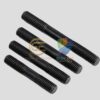
- Premium ASTM A193 B7 and B16 stud bolts
- High-integrity fasteners for oil and gas projects
- Full material traceability and certification
- Reliable supply for large industrial projects
- Technical expertise and professional support
We are committed to delivering fastening solutions that meet international standards and support the safety of industrial operations.
Conclusion
Understanding the Key Differences Between ASTM A193 B7 and B16 Bolting Materials is essential for selecting the right fasteners for high-pressure and high-temperature industrial systems. While B7 bolts are widely used for general high-strength applications, B16 bolts provide superior performance in extreme heat environments.
By sourcing certified bolting materials from BlueSky Arabian Steel, companies can ensure the reliability and safety of their industrial equipment while meeting strict engineering standards.
Choosing the right fastener is a crucial step toward maintaining safe and efficient operations in the oil and gas industry.