Choosing API Certified Fasteners for Middle East Projects – Expert Guide
Choosing API Certified Fasteners for Middle East Projects – Expert Guide
Introduction
When it comes to industrial and oil & gas projects in the Middle East, safety, reliability, and compliance are non-negotiable. One key component often overlooked is the fasteners used in pipelines, refineries, and offshore platforms. Choosing API certified fasteners ensures your projects meet international standards, withstand harsh environmental conditions, and maintain long-term performance.
In this guide, we’ll walk you through how to select the right API certified fasteners for Middle East projects, highlighting critical standards, materials, and supplier considerations.
Understanding API Certification
API (American Petroleum Institute) certification guarantees that fasteners meet strict testing and performance criteria.
Key points:
- API 20E & 20F Fasteners: Designed for high-pressure and high-temperature applications.
- BSL Levels (Bolting Specification Level): BSL-1, BSL-2, BSL-3 indicate quality, traceability, and testing rigor.
- Traceability: Each fastener is tested and documented, ensuring compliance with international oil & gas standards.
Using non-certified fasteners can lead to equipment failure, safety hazards, and regulatory penalties, especially in regions like Saudi Arabia, UAE, and Qatar.
Key Factors When Choosing Fasteners
- Material Selection
- Alloy steel and heat-treated bolts are ideal for high-stress conditions.
- Corrosion-resistant coatings protect against humidity, salt, and harsh chemicals in the Middle East.
- Strength Grade
- ASTM A193 B7 Stud Bolts for high-pressure applications.
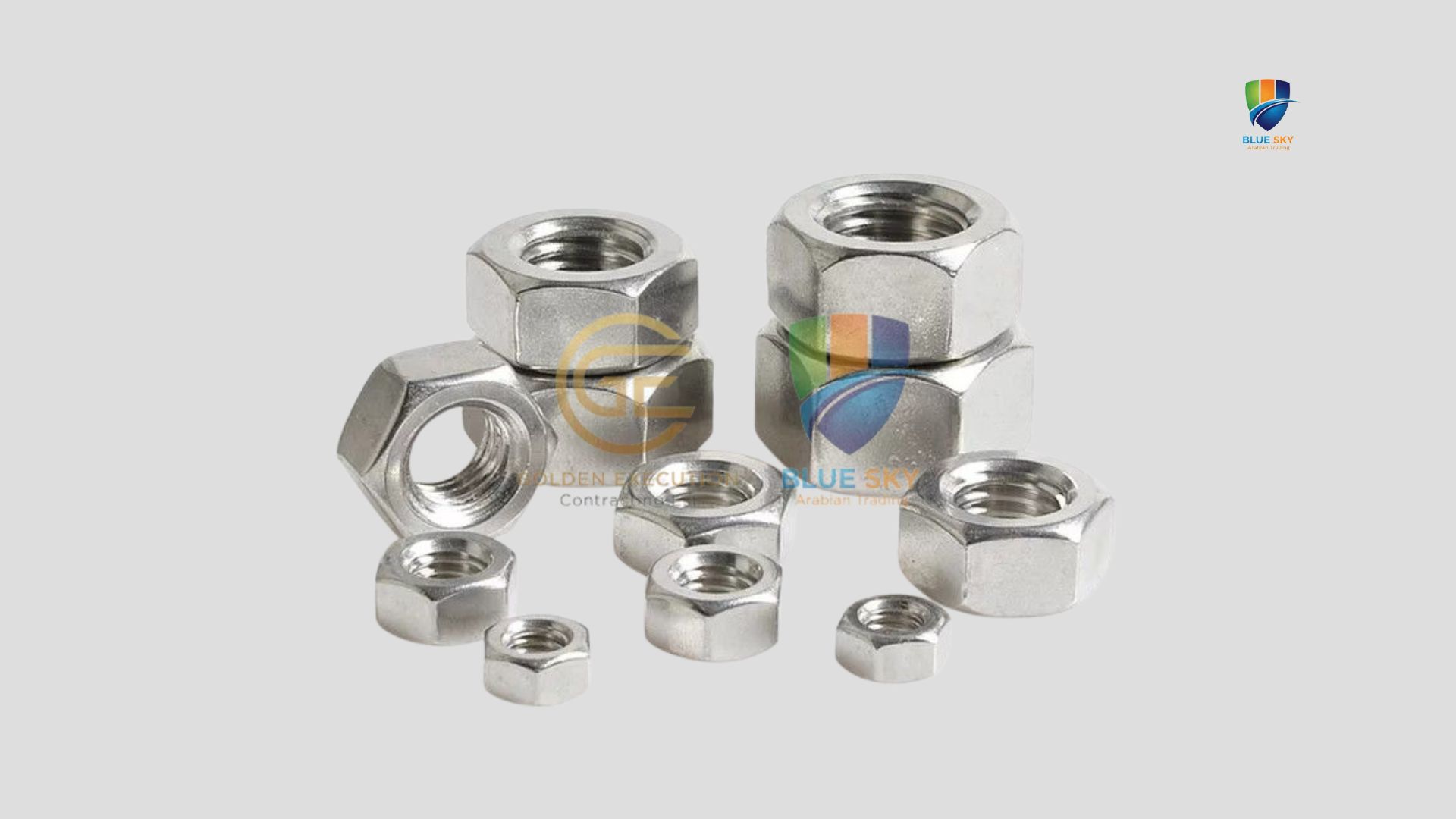
- ASTM A194 2H Nuts for heavy-duty fastening requirements.
- Project Type
- Offshore platforms need fasteners resistant to saltwater corrosion.
- Refineries require bolts that tolerate extreme heat and chemical exposure.
- Supplier Reliability
- Choose suppliers that offer API certification, traceability, and local delivery in Saudi Arabia (Dammam, Jubail, Riyadh).
Common Mistakes to Avoid
- Using non-certified fasteners to cut costs.
- Ignoring BSL levels, which may compromise safety.
- Overlooking material grade and heat treatment, leading to premature failures.
Avoiding these mistakes ensures your projects are safe, compliant, and long-lasting.
Middle East Project Considerations
- Environmental Conditions: Extreme heat, high humidity, and corrosion-prone areas.
- Local Regulations: Saudi Aramco and other Middle East industrial projects require strict API compliance.
- Project Locations:
- Dammam: Petrochemical and oil processing facilities.
- Jubail: Industrial plants and heavy manufacturing.
- Riyadh: Headquarters and regional procurement hubs.
Selecting the right fastener based on local conditions prevents costly maintenance and downtime.
How BlueSky Arabian Steel Helps
BlueSky Arabian Steel provides high-quality API certified fasteners for oil & gas, petrochemical, and industrial projects across the Middle East.
What sets us apart:
- Extensive inventory of API 20E, B7, and 2H fasteners.
- Full traceability and certification for compliance with industrial standards.
- Expert guidance for project-specific bolting solutions.
- Fast delivery to Dammam, Jubail, Riyadh, and other key industrial regions.
We ensure your projects use high-integrity bolting systems, enhancing safety and reliability.
Conclusion
Choosing API certified fasteners is critical for Middle East industrial projects. From material selection and strength grade to BSL levels and supplier reliability, every decision impacts safety, compliance, and performance.
Partnering with a trusted supplier like BlueSky Arabian Steel ensures your projects are built to last and meet all regulatory and operational standards.
📞 Contact us today to get the right API certified fasteners for your Middle East projects.