How to Maintain and Inspect Bolted Connections Safely | Bluesky
How to Maintain and Inspect Bolted Connections Safely
Bolted connections are the backbone of industrial, mechanical, and structural assemblies. Ensuring that these connections remain secure and functional is critical for safety, reliability, and long-term performance. Understanding how to maintain and inspect bolted connections safely is essential for contractors, engineers, and maintenance teams in oil & gas, construction, petrochemical, and manufacturing sectors.
At BlueSky Arabian Steel, we provide high-quality, certified bolting solutions including studs, nuts, washers, and fasteners that meet API, ASTM, and ASME standards. Proper maintenance and inspection of these components maximize their life span and maintain structural integrity in demanding industrial environments.
Why Bolted Connections Require Regular Maintenance
Bolted joints experience a variety of stresses:
- Vibration from machinery
- Thermal expansion and contraction
- Pressure fluctuations in pipelines
- Corrosion in harsh environments
Over time, these factors can lead to loosening, fatigue, or failure if not addressed. Regular inspection and maintenance help prevent catastrophic failures, production downtime, and costly repairs.
Essential Safety Precautions Before Inspection
Before conducting any inspection or maintenance of bolted connections, contractors and engineers must follow these safety protocols:
- Personal Protective Equipment (PPE): Gloves, safety glasses, helmets, and appropriate footwear.
- Lockout/Tagout Procedures: Ensure machinery or pressurized systems are de-energized.
- Work Area Safety: Secure platforms, scaffolds, and ladders for elevated joints.
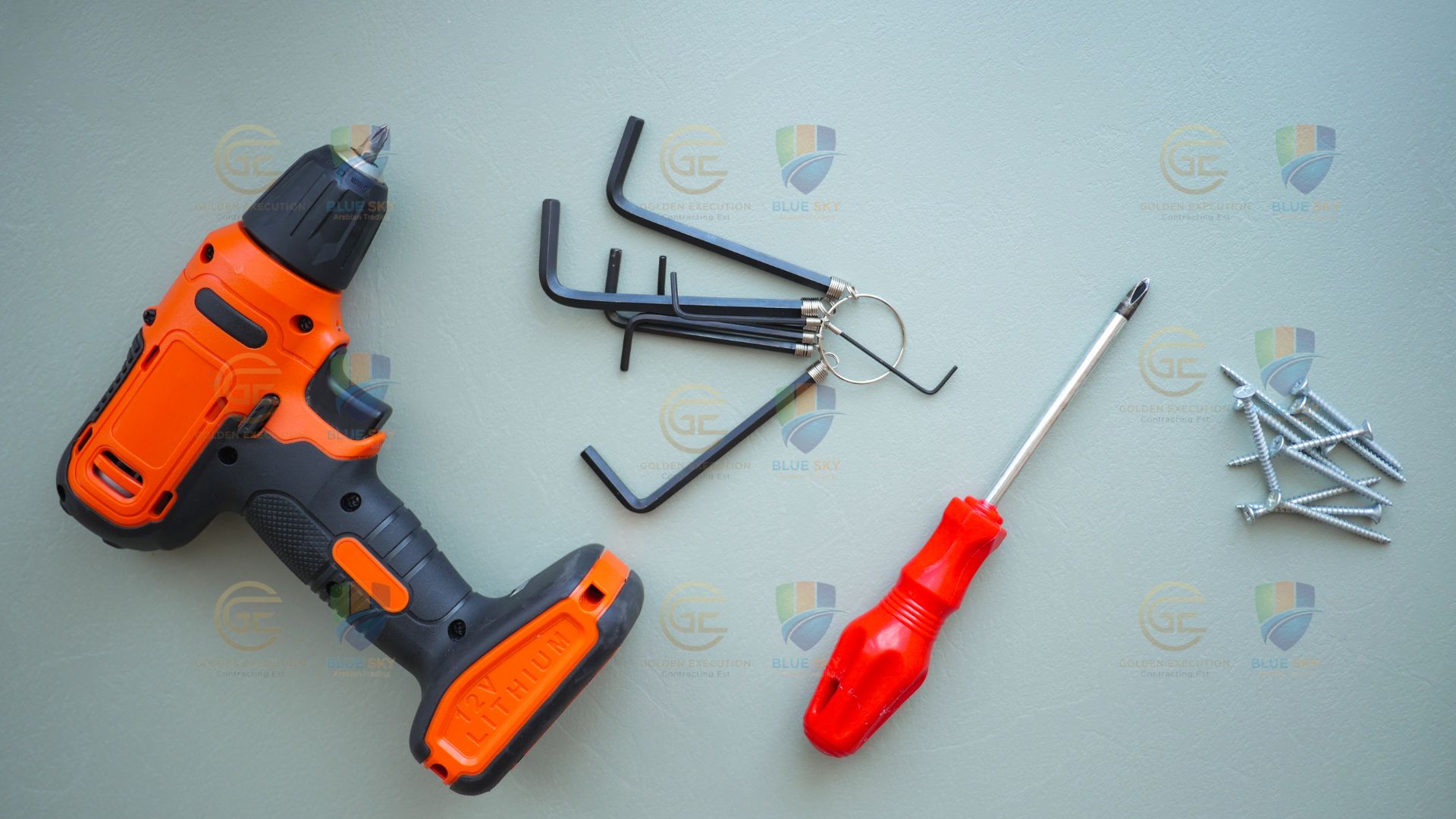
- Proper Tools: Use calibrated torque wrenches, tension meters, and inspection gauges.
Safety is paramount; neglecting precautions can lead to serious accidents or injuries.
Step-by-Step Guide to Maintain and Inspect Bolted Connections
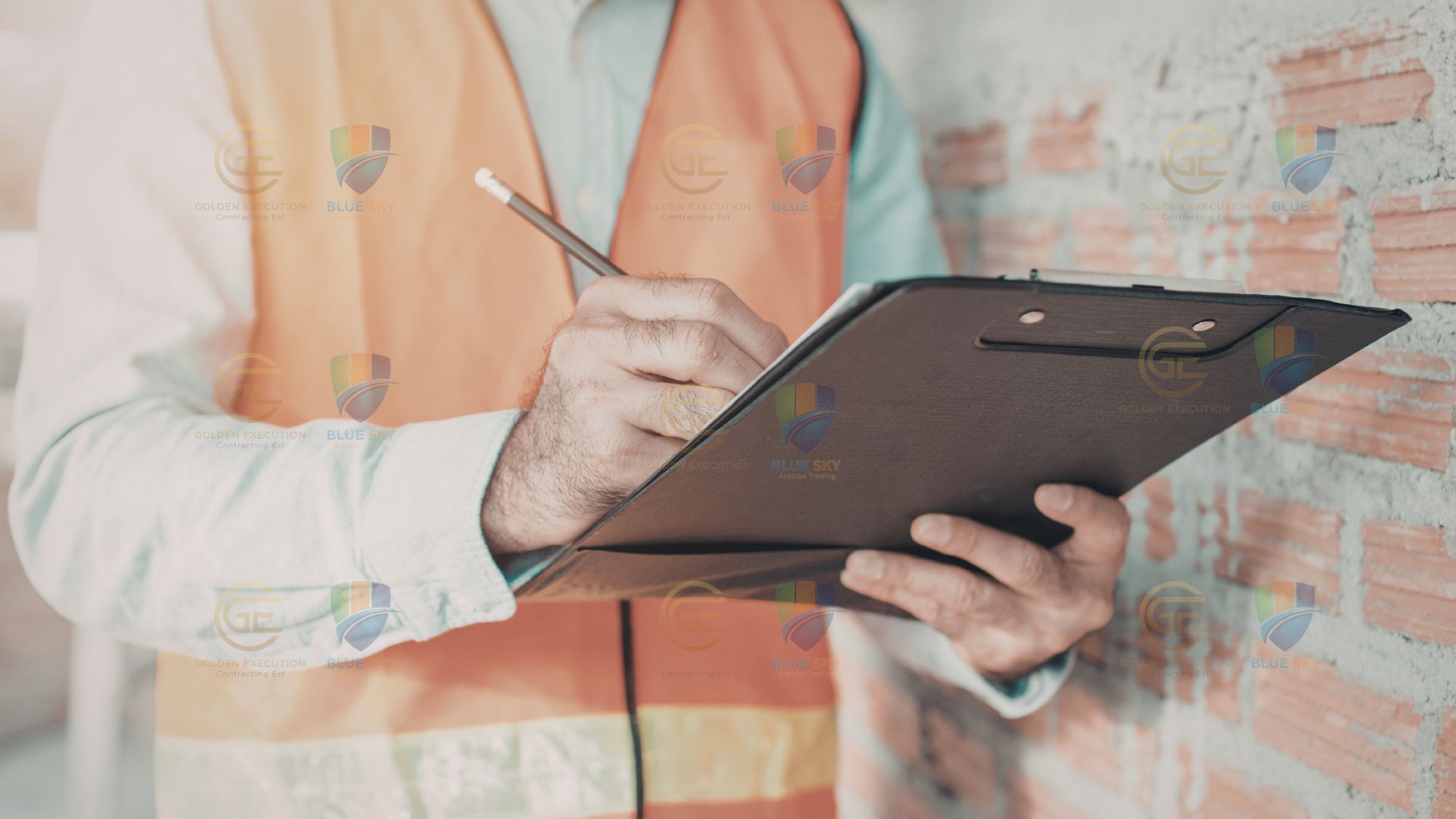
1. Visual Inspection
- Look for visible signs of wear, corrosion, or deformation.
- Check for cracks on nuts, bolts, or flanges.
- Inspect for missing or damaged washers.
Regular visual inspections are the first line of defense against joint failure.
2. Torque Verification
- Measure the torque on each bolt using a calibrated wrench.
- Compare actual torque with manufacturer specifications.
- Re-tighten bolts that are below the required torque.
Over-tightening can be as dangerous as under-tightening, so accuracy is critical.
3. Check for Looseness or Movement
- Tap or gently rock the joint to detect any movement.
- Vibration-prone areas may require lock nuts, thread lockers, or spring washers to maintain stability.
4. Inspect for Corrosion and Contamination
- Rust, chemical deposits, or debris can compromise bolt performance.
- Clean the joint thoroughly and apply anti-corrosion coatings if needed.
5. Examine for Fatigue or Thread Wear
- Bolts and nuts under cyclic loading may develop fatigue cracks.
- Replace any components showing signs of wear, deformation, or thread stripping.
Maintenance Tips for Long-Term Reliability
1. Proper Lubrication
- Use manufacturer-approved lubricants on threads to prevent galling and facilitate torque application.
- Avoid over-lubrication, which can alter torque-tension relationships.
2. Periodic Re-Tightening
- Bolted joints may lose tension over time due to vibration or thermal cycles.
- Establish a maintenance schedule for retightening critical bolts in pipelines, machinery, and structural frames.
3. Use Certified Components
- Always use ASTM, API 20E, or ASME-certified stud bolts, nuts, and washers.
- High-quality fasteners reduce maintenance frequency and improve safety margins.
4. Environmental Protection
- Apply protective coatings for corrosion-prone environments.
- Consider stainless steel or alloy steel bolts for chemical plants, marine facilities, and outdoor installations.
Advanced Inspection Methods
For high-risk or critical applications:
- Ultrasonic Testing: Detect internal cracks or hidden defects.
- Magnetic Particle Testing: Identify surface and near-surface discontinuities.
- Vibration Analysis: Evaluate joint loosening under operational loads.
Combining standard maintenance with advanced inspections ensures maximum reliability for critical industrial connections.
Why BlueSky Arabian Steel Fasteners Improve Safety
At BlueSky Arabian Steel, we provide fasteners designed for optimal performance and longevity:
- Stud bolts, nuts, and washers certified to API, ASTM, and ASME standards.
- High-strength carbon steel, alloy steel, and stainless steel options.
- Durability in extreme temperatures, pressures, and corrosive conditions.
- Expert guidance on selecting and maintaining bolted connections for any industrial project.
Using certified, high-quality fasteners reduces the frequency of maintenance and ensures safer inspections.
Conclusion
Regular inspection and maintenance are essential for ensuring that bolted connections remain secure and reliable. Contractors and engineers should follow a structured approach:
- Ensure safety with PPE and lockout/tagout procedures.
- Conduct visual inspections and torque verification.
- Maintain cleanliness, lubrication, and protective coatings.
- Use certified high-performance bolts, nuts, and washers.
- Employ advanced testing for critical or high-risk connections.
By following these practices and sourcing components from BlueSky Arabian Steel, industrial operators can maximize safety, reduce downtime, and extend the life of bolted connections.