
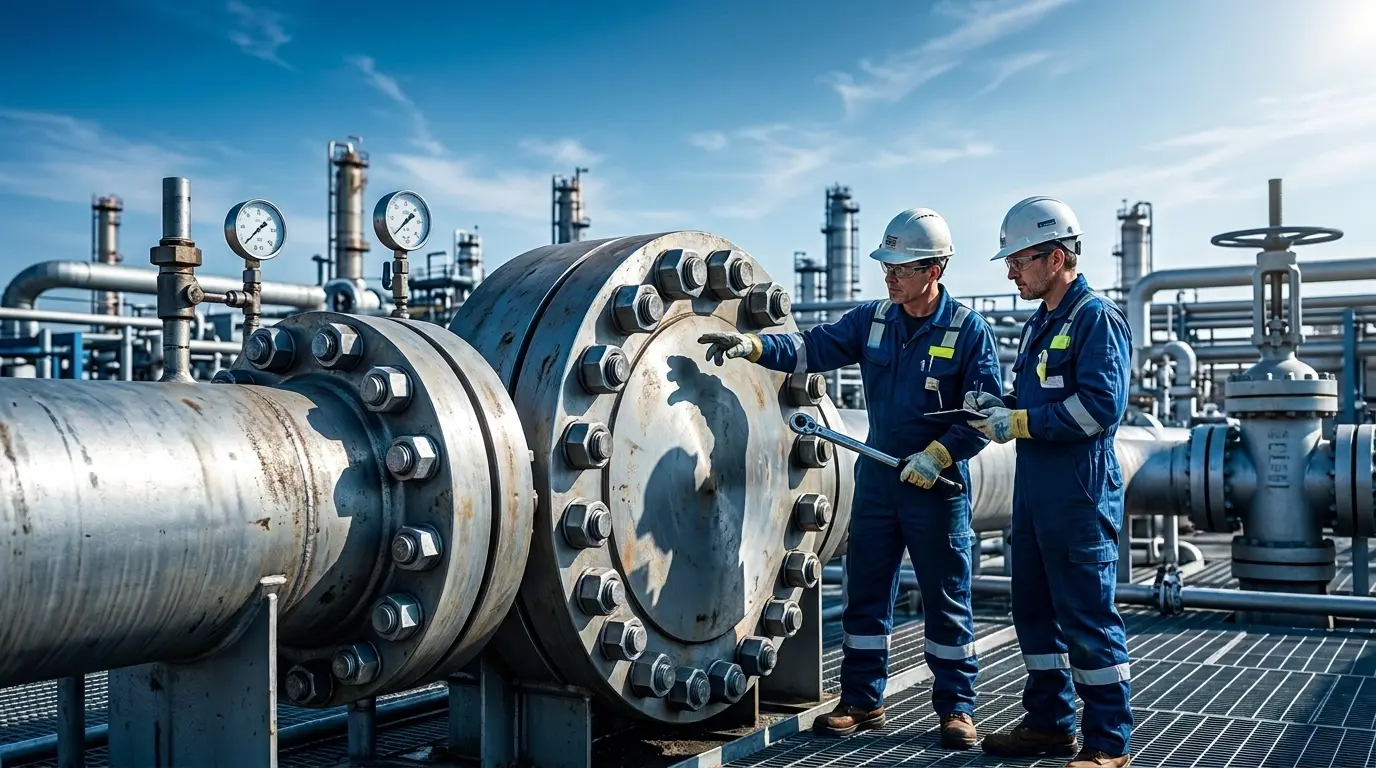
How to Select the Right Stud Bolt for High-Pressure Pipelines
High-pressure pipelines operate under extreme pressure, temperature, and mechanical stress. Whether transporting crude oil, natural gas, chemicals, steam, or industrial fluids, every flange connection depends on one small but critical component—the stud bolt.
Selecting the wrong stud bolt can result in flange leaks, equipment failure, expensive downtime, or even catastrophic accidents. Engineers and procurement teams must carefully evaluate bolt material, strength, corrosion resistance, coating, and international standards before making a purchase.
In this guide, you’ll learn everything you need to know about choosing the right stud bolt for high-pressure pipeline applications.
For premium-quality industrial fasteners, visit Blue Sky Arabian Steel:
https://blueskyarabiansteel.com/
Why Stud Bolt Selection Matters
Stud bolts create the clamping force required to compress the gasket between pipeline flanges. Proper bolt tension ensures:
- Leak-free flange connections
- Uniform gasket compression
- Pressure containment
- Structural stability
- Equipment safety
- Longer service life
- Lower maintenance costs
Even a premium gasket cannot compensate for poorly selected or low-quality stud bolts.
Understanding High-Pressure Pipeline Conditions
Before choosing a stud bolt, evaluate the operating environment.
Consider:
- Operating pressure
- Maximum temperature
- Working fluid
- Corrosive chemicals
- Offshore exposure
- Vibration levels
- Cyclic loading
- Thermal expansion
Each factor influences which bolt material and grade should be used.
Choose the Correct Material Grade
The bolt material should always match the application.
ASTM A193 B7 Stud Bolts
The most commonly used grade for:
- Oil & Gas
- Refineries
- Petrochemical plants
- Power plants
- Pressure vessels
Benefits:
- High tensile strength
- Excellent fatigue resistance
- Reliable under high pressure
- Cost-effective
ASTM A193 B16
Ideal for:
- High-temperature steam pipelines
- Power generation
- Boilers
Provides superior heat resistance compared to B7.
Stainless Steel Stud Bolts
Recommended for:
- Marine environments
- Offshore platforms
- Food processing
- Chemical industries
Common grades include:
- ASTM A193 B8
- ASTM A193 B8M
Advantages include excellent corrosion resistance and long service life.
Duplex Stainless Steel
Perfect for:
- Seawater systems
- Offshore oil rigs
- Desalination plants
Provides:
- High corrosion resistance
- Superior strength
- Chloride resistance
Check Pressure Ratings
Always verify the flange pressure class.
Common ASME flange ratings include:
- Class 150
- Class 300
- Class 600
- Class 900
- Class 1500
- Class 2500
Higher pressure ratings generally require:
- Larger bolt diameter
- Higher-strength material
- Greater bolt preload
Consider Operating Temperature
Temperature significantly affects bolt performance.
Low temperatures may cause brittleness.
High temperatures reduce tensile strength.
Choose heat-treated alloy steel bolts for:
- Steam pipelines
- Boiler systems
- Heat exchangers
- Thermal power plants
Evaluate Corrosion Resistance
Corrosion weakens bolts over time.
If your pipeline handles:
- Saltwater
- Sour gas
- Chemicals
- Acidic fluids
- Offshore environments
Use corrosion-resistant materials or protective coatings.
Options include:
- PTFE coating
- Xylan coating
- Zinc plating
- Hot-dip galvanizing
- Cadmium alternatives
- Fluoropolymer coatings
Verify International Standards
Always purchase bolts manufactured according to internationally recognized standards.
Important standards include:
- ASTM A193
- ASTM A320
- ASTM A194
- ASME B18.2.1
- ASME PCC-1
- ASME B16.5
- ISO 898
- DIN Standards
Certified products ensure consistent mechanical properties and dimensional accuracy.
Select the Correct Thread Type
Stud bolts are available with:
Fully Threaded Stud Bolts
Suitable for:
- Standard flange assemblies
- General industrial use
Tap-End Stud Bolts
Commonly used for:
- Valve bodies
- Pumps
- Pressure vessels
Always match the thread specification with the mating nuts.
Choose the Right Nut Material
A high-quality stud bolt must be paired with compatible heavy hex nuts.
Common combinations include:
| Stud Bolt | Nut |
|---|---|
| ASTM A193 B7 | ASTM A194 2H |
| ASTM A193 B16 | ASTM A194 4 |
| ASTM A193 B8 | ASTM A194 8 |
| ASTM A193 B8M | ASTM A194 8M |
Using mismatched nuts may reduce joint strength.
Bolt Diameter and Length
Proper sizing is essential.
The correct bolt should:
- Extend beyond the nut
- Allow full thread engagement
- Avoid excessive protrusion
- Match flange thickness
Incorrect sizing can cause uneven gasket compression.
Pay Attention to Bolt Preload
Proper preload determines joint reliability.
Under-tightening causes:
- Leaks
- Loose joints
- Gasket failure
Over-tightening causes:
- Bolt yielding
- Flange distortion
- Thread damage
Use calibrated hydraulic torque wrenches or tensioners whenever possible.
Surface Coatings for Longer Life
Protective coatings significantly improve bolt longevity.
Popular options include:
- Zinc Nickel
- PTFE
- Xylan
- Hot Dip Galvanized
- Black Oxide
- Cadmium-Free Coatings
Choose coatings based on environmental exposure.
Applications of High-Pressure Stud Bolts
High-quality stud bolts are widely used in:
- Oil refineries
- Petrochemical plants
- Offshore platforms
- LNG terminals
- Gas processing facilities
- Chemical industries
- Nuclear power plants
- Thermal power plants
- Water treatment plants
- Pressure vessels
- Heat exchangers
- Pipeline flanges
Common Mistakes to Avoid
Many failures occur due to poor bolt selection.
Avoid:
- Choosing bolts based only on price
- Ignoring ASTM grades
- Using incompatible nuts
- Incorrect torque application
- Wrong bolt length
- Poor corrosion protection
- Buying uncertified products
- Reusing damaged bolts
- Mixing different bolt materials
Why Quality Matters
Premium stud bolts provide:
- Better tensile strength
- Higher fatigue resistance
- Longer lifespan
- Better corrosion protection
- Reduced maintenance
- Improved plant safety
- Lower total operating costs
Investing in certified industrial fasteners reduces costly shutdowns and enhances operational reliability.
Why Choose Blue Sky Arabian Steel?
If you’re looking for reliable stud bolts for demanding industrial environments, Blue Sky Arabian Steel offers high-quality fastening solutions designed to meet international standards.
Benefits include:
- ASTM-certified products
- API-compliant fasteners
- Premium alloy steel materials
- Custom manufacturing
- Corrosion-resistant coatings
- Fast global delivery
- Competitive pricing
- Experienced technical support
Explore their complete range of industrial fasteners at:
Conclusion
Selecting the right stud bolt for high-pressure pipelines involves much more than choosing the correct size. Material grade, operating pressure, temperature, corrosion resistance, bolt preload, coatings, and compliance with ASTM and ASME standards all play vital roles in ensuring safe and reliable pipeline performance.
Whether you’re designing a new pipeline system or replacing existing fasteners, investing in certified, high-strength stud bolts helps prevent leaks, minimizes downtime, and extends the lifespan of critical infrastructure.
For dependable industrial fasteners tailored to oil & gas, petrochemical, power generation, and heavy engineering applications, visit Blue Sky Arabian Steel to find premium stud bolts and fastening solutions built for demanding environments.